
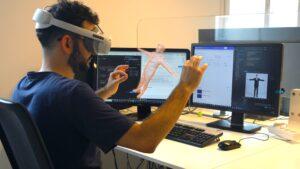
3D creation still relies heavily on manual operations performed directly within software applications. Modeling an object, creating an animation, or preparing a character is time-consuming and involves numerous steps. For teams developing XR applications, this work must also account for the specific constraints of the hardware on which the content will be used. Artificial intelligence […]
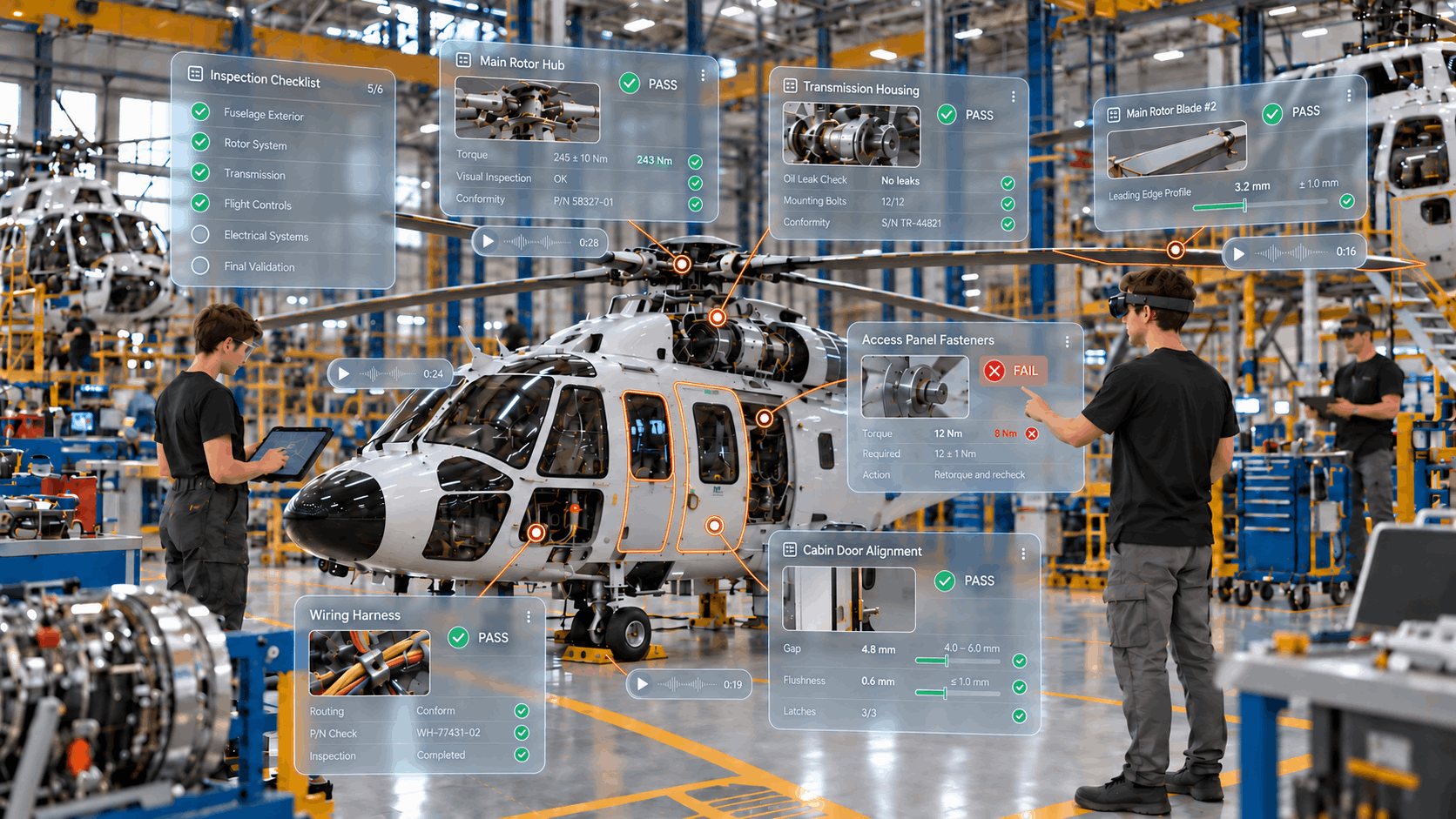
Immersion, a French pioneer in virtual reality since 1994, announces its selection under the “Innovative Technologies for Immersive Virtual Worlds” call for projects as part of the France 2030 plan, administered by Bpifrance on behalf of the State.



ViWAS aims to create a European academy dedicated to skills in virtual worlds and Web 4.0 in order to meet the growing demand for talent in the XR and immersive fields.
The network is an essential element for the deployment and viability of virtual worlds in our daily lives. As collaborative experiences in XR become increasingly comprehensive and immersive, it is essential that the network infrastructure adapts to new uses: real-time collaboration around 3D, mixed environments, and metaverses. The European SAFE-6G project, launched in 2024, is […]

The European research project TRANSMIXR is coming to an end. To mark the occasion, Immersion looks back at the origins and ambitions of this project and, above all, details the prototype it has developed.
Envisioning the future of media with the adoption of XR across the entire value chain. Rethinking content production. Imagining complex immersive narrative experiences. Immersion contributed its expertise in virtual and augmented reality and developed Spatial Media.

Immersion in extended reality (XR) environments is no longer limited to the visual aspect alone. To enrich the user experience and make it more natural, we are now exploring several sensory modalities: vision, audio, haptics, and even olfactory. While the ambition is clear, its implementation remains fraught with pitfalls. As part of the HEAT research […]


